Thursday, February 24, 2011
Vitamin C

 What is vitamin C?
Vitamin C, also called ascorbic acid, is a water-soluble nutrient that is easily excreted from the body when not needed. It's so critical to living creatures that almost all mammals can use their own cells to make it. Humans, gorillas, chimps, bats, guinea pigs and birds are some of the few animals that cannot make vitamin C inside of their own bodies.
Humans vary greatly in their vitamin C requirement. It's natural for one person to need 10 times as much vitamin C as another person; and a person's age and health status can dramatically change his or her need for vitamin C. The amount of vitamin C found in food varies as dramatically as our human requirement. In general, an unripe food is much lower in vitamin C than a ripe one, but provided that the food is ripe, the vitamin C content is higher when the food is younger at the time of harvest.
What is the function of vitamin C?

The protective role of vitamin C goes far beyond our skin and gums. Cardiovascular diseases, cancers, joint diseases and cataracts are all associated with vitamin C deficiency and can be partly prevented by optimal intake of vitamin C. Vitamin C achieves much of its protective effect by functioning as an antioxidant and preventing oxygen-based damage to our cells. Structures that contain fat (like the lipoprotein molecules that carry fat around our body) are particularly dependent on vitamin C for protection.
What are deficiency symptoms for vitamin C?

What are toxicity symptoms for vitamin C?
There are very few research studies that document vitamin C toxicity at any level of supplementation, and there are no documented toxicity effects whatsoever for vitamin C in relation to food and diet. At high supplemental doses involving 5 or more grams of vitamin C, diarrhea can result from the fluid in the intestine becoming too concentrated ("osmotic diarrhea").Large supplemental doses of vitamin C can also increase levels of uric acid in the urine, because vitamin C can be broken down into uric acid. However, it is not clear that increased uric acid in the urine can increase a person's risk of forming uric acid kidney stones.
Finally, vitamin C can increase a person's absorption of iron from plant foods; and persons who have health problems related to excess free iron in their cells may want to consider avoiding high supplemental doses of vitamin C. It is important to remember that all of the above toxicity-related issues involve vitamin C in supplemental form, not as it naturally occurs in food.
What factors might contribute to a deficiency of vitamin C?

The body's immune and detoxification systems make special use of vitamin C, and overload in either of these systems can increase risk of deficiency. The immune system relies on a wide variety of mechanisms to help protect the body from infection, including white blood cells, complement proteins, and interferons; and vitamin C is especially important in the function of these immune components.
Vitamin C is also critical during the first phase of the body's detoxification process. This process occurs in many types of tissue, but it is especially active in the liver. When the body is exposed to toxins, vitamin C is often required for the body to begin processing the toxins for elimination. Excessive toxic exposure is therefore a risk factor for vitamin C deficiency.
What medications affect vitamin C?
Categories of drugs that can diminish the body's supply of vitamin C include oral contraceptives (birth control pills), NSAIDs (non-steroidal anti-inflammatory drugs including aspirin), corticosteroids (like cortisone), sulfa drugs (often used as antibiotics or in cancer treatment), and barbituates. How do other nutrients interact with vitamin C?
Vitamin C has significant interactions with several key minerals in the body. Supplemental intake of vitamin C at gram-level doses can interfere with copper metabolism. Conversely, vitamin C can significantly enhance iron uptake and metabolism, even at food-level amounts.Vitamin C also has important interactions with other vitamins. Excessive intake of vitamin A, for example, is less toxic to the body when vitamin C is readily available. Vitamin C is involved in the regeneration of vitamin E, and these two vitamins appear to work together in their antioxidant effect.
What health conditions require special emphasis on vitamin C?
 Most forms of cardiovascular disease, joint disease, cancer, eye disease, thyroid disease, liver disease, and lung disease require special emphasis on vitamin C intake. The process of aging itself requires special attention to vitamin C. In addition to these broader categories, several specific health conditions also require special emphasis on vitamin C. These specific health conditions include:
 - Acne
- Alcoholism
- Alzheimer's disease
- Asthma
- Autism
- Depression
- Diabetes
- Irritable bowel disease
- Parkinson's disease
What forms of vitamin C are found in dietary supplements?
Dietary supplements typically contain vitamin C in the form of ascorbic acid. Because vitamin C is better absorbed in the presence of flavonoids, many supplement manufacturers also add flavonoids to their formulas. Buffered versions of vitamin C are also commonly available. These buffered forms usually combine vitamin C with minerals like calcium, magnesium, or potassium. Buffered vitamin C may be helpful for individuals who have stomach sensitivity, or who are taking higher doses of the supplement.
Also widely available is a metabolite complex form of vitamin C, sold commercially under the trade name Ester-C(TM), in which ascorbic acid is combined with several of its naturally occurring metabolites including dehydroascorbate, threonate, and aldonic acids.
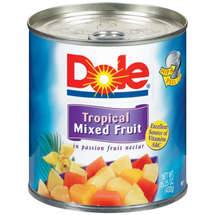
What foods provide vitamin C?

Source: WHFoods.com
Wednesday, February 23, 2011
Crispy Nut Butter Treats

- 1 box brown rice crisps cereal
- 1 ¾ cups brown rice syrup
- Fine sea salt (sprinkle)
- 1 cup almond butter (unsalted/unsweetened)
- 1 scoop Arbonne Vanilla protein powder
Mix cereal and protein powder. Heat syrup with pinch of salt until liquefied, add nut butter. Pour over rice cereal mixture. Turn out mixture evenly into the pan. Let cool for 1 hour before cutting into squares.
Tuesday, February 22, 2011
Sweeteners
Whether your goal is cutting calories or eating healthier, options for sugar substitutes abound.

Understand their pros and cons to make an informed choice.
If you're trying to reduce the sugar and calories in your diet, you may be turning to artificial sweeteners or other sugar substitutes. You aren't alone. The popularity of artificial sweeteners and other sugar substitutes is on the rise as manufacturers and consumers seek lower calorie alternatives to regular white sugar without sacrificing sweetness.Today, artificial sweeteners and other sugar substitutes are found in a variety of food and beverages marketed as "sugar-free" or "diet," including soft drinks, chewing gum, jellies, baked goods, candy, fruit juice and ice cream. In addition, other sugar substitutes are being touted as healthier sweeteners than regular sugar, even if they don't have fewer calories, such as honey and agave nectar.
Just what are all these artificial sweeteners and sugar substitutes? And what's their role in your diet?
Understanding artificial sweeteners and other sugar substitutes
Sugar substitutes are loosely considered any sweetener that you use instead of regular table sugar (sucrose). Artificial sweeteners are just one type of sugar substitute. Some sugar substitutes, such as aspartame, are promoted because they add virtually no calories to your diet. Newer sugar substitutes, including stevia and agave nectar, claim to be lower calorie, tastier and healthier options.The topic of sugar substitutes can be complex and confusing. One problem is that the terminology regarding sugar substitutes is often open to interpretation. For instance, some manufacturers call their sweeteners "natural" even though they're processed or refined, as is the case with stevia preparations. And some artificial sweeteners are derived from naturally occurring substances — sucralose comes from sugar, for example. Sometimes sugar substitutes are categorized by whether or not they contain calories.
Regardless of what they're called or how they're classified, sugar substitutes aren't magic bullets for weight loss. Take a closer look.
Artificial sweeteners
Artificial sweeteners are synthetic sugar substitutes but may be derived from naturally occurring substances, including herbs or sugar itself. Artificial sweeteners are also known as intense sweeteners because they are many times sweeter than regular sugar.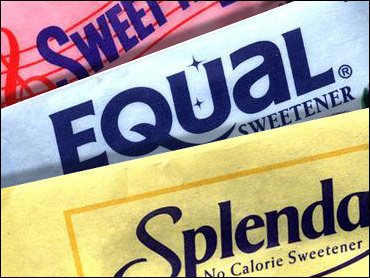 Artificial sweeteners currently approved by the Food & Drug Administration are:
 - Acesulfame potassium (Sunett, Sweet One)
- Aspartame (Equal, NutraSweet)
- Neotame
- Saccharin (SugarTwin, Sweet'N Low)
- Sucralose (Splenda)
Uses for artificial sweeteners
Artificial sweeteners are attractive alternatives to sugar because they add virtually no calories to your diet. In addition, you need only a fraction compared with the amount of regular sugar you would normally use for sweetness. Artificial sweeteners are widely used in processed products, including tabletop sweeteners, baked goods, soft drinks, powdered drink mixes, candy, puddings, canned foods, jams and jellies, dairy products, and scores of other foods and beverages. Check the food label to see if a product contains artificial sweeteners.
Artificial sweeteners are also popular for home use. Some can even be used in baking or cooking. Certain recipes may need modification, though, because artificial sweeteners provide no bulk or volume, as does sugar. Check the labels on artificial sweeteners for appropriate home use.
Some artificial sweeteners may leave an aftertaste. You may need to experiment with artificial sweeteners to find one or a combination that you enjoy most.
Possible health benefits of artificial sweeteners
- Weight control. One of the most appealing aspects of artificial sweeteners is that they are non-nutritive — they have virtually no calories. In contrast, each gram of regular table sugar contains 4 calories. A teaspoon of sugar is about 4 grams. For perspective, consider that one 12-ounce can of a sweetened cola contains 8 teaspoons of added sugar, or about 130 calories. If you're trying to lose weight or prevent weight gain, products sweetened with artificial sweeteners rather than with higher calorie table sugar may be an attractive option. On the other hand, some research has suggested that consuming artificial sweeteners may be associated with increased weight, but the cause is not yet known.
- Diabetes. Artificial sweeteners may be a good alternative to sugar if you have diabetes. Unlike sugar, artificial sweeteners generally don't raise blood sugar levels because they are not carbohydrates. But because of concerns about how sugar substitutes are labeled and categorized, always check with your doctor or dietitian about using any sugar substitutes if you have diabetes.
- Dental cavities. Unlike sugar, artificial sweeteners don't contribute to tooth decay.

Artificial sweeteners have been the subject of intense scrutiny for decades. Critics of artificial sweeteners say that they cause a variety of health problems, including cancer. That's largely because of studies dating to the 1970s that linked saccharin to bladder cancer in laboratory rats. Because of those studies, saccharin once carried a warning label that it may be hazardous to your health.
But according to the National Cancer Institute and other health agencies, there's no sound scientific evidence that any of the artificial sweeteners approved for use in the United States cause cancer or other serious health problems. And numerous research studies confirm that artificial sweeteners are generally safe in limited quantities, even for pregnant women. As a result of the newer studies, the warning label for saccharin was dropped.
Artificial sweeteners are regulated by the FDA as food additives. They must be reviewed and approved by the FDA before being made available for sale. In some cases, the FDA declares a substance "generally recognized as safe" (GRAS). These GRAS substances, including highly refined stevia preparations, are deemed by qualified professionals based on scientific data as being safe for their intended use, or they have such a lengthy history of common use in food that they're considered generally safe and don't require FDA approval before sale.
The FDA has also established an acceptable daily intake (ADI) for each artificial sweetener. This is the maximum amount considered safe to consume each day over the course of your lifetime. ADIs are intended to be about 100 times less than the smallest amount that might cause health concerns.
Sugar alcohols and novel sweeteners
Sugar alcohols (polyols) are carbohydrates that occur naturally in certain fruits and vegetables, but they also can be manufactured. They're not considered intense sweeteners, because they aren't sweeter than sugar — in fact, some are less sweet than sugar. Sugar alcohols aren't considered noncaloric or non-nutritive sweeteners because they contain calories. But they're lower in calories than is regular sugar, making them an attractive alternative. Despite their name, sugar alcohols aren't alcoholic. They don't contain ethanol, which is found in alcoholic beverages.Novel sweeteners are combinations of various types of sweeteners. Novel sweeteners, such as stevia, are hard to fit into one particular category because of what they're made from and how they're made.
 As with artificial sweeteners, the FDA regulates the use of sugar alcohols. Approved sugar alcohols and novel sweeteners include:
 - Erythritol
- Hydrogenated starch hydrolysates
- Isomalt
- Lactitol
- Maltitol
- Mannitol
- Sorbitol
- Xylitol
- Stevia preparations that are highly refined (Pure Via, Truvia)
Tagatose and trehalose are considered novel sweeteners because of their chemical structure. They're categorized by the FDA as GRAS substances. Tagatose is a low-carbohydrate sweetener similar to fructose that occurs naturally but is also manufactured from lactose in dairy products. Foods containing tagatose can't be labeled as "sugar-free." Trehalose is found naturally in mushrooms.
Uses for sugar alcohols
Sugar alcohols generally aren't used when you prepare food at home. Rather, they are found in many processed foods and other products, usually replacing sugar on an equal basis. When added to foods, sugar alcohols add sweetness, bulk and texture. They also help food stay moist, prevent browning when heated, and add a cooling sensation to products.
Sugar alcohols are used in a broad range of products, including chocolate, candy, frozen desserts, chewing gum, toothpaste, mouthwash, baked goods and fruit spreads. Sugar alcohols are often combined with artificial sweeteners in products to enhance sweetness. Check the food label to help see if a product contains sugar alcohols. Food labels may list the specific name, such as xylitol, or simply use the general term "sugar alcohol."
Possible health benefits of sugar alcohols

- Weight control. Sugar alcohols are considered nutritive sweeteners because they contribute calories to your diet. Still, sugar alcohols have fewer calories than does regular sugar — about 2 calories per gram on average. This means that sugar alcohols can be considered lower calorie sweeteners, and they may aid weight-control efforts.
- Diabetes. Unlike artificial sweeteners, sugar alcohols can raise blood sugar levels because they're carbohydrates. But because your body doesn't completely absorb sugar alcohols, their effect on blood sugar is less than that of other sugars. Different sugar alcohols can affect blood sugar differently. You can consume sugar alcohols if you have diabetes but you still must pay attention to the total amount of carbohydrates in your meals and snacks. Talk to your doctor or dietitian for guidance.
- Dental cavities. Sugar alcohols don't promote cavities.
As with artificial sweeteners, the FDA regulates sugar alcohols as food additives. Sugar alcohols typically are labeled as "generally recognized as safe" (GRAS) and don't require FDA approval before sale.
There are few health concerns associated with sugar alcohols. When eaten in large amounts, usually more than 50 grams but sometimes as little as 10 grams, sugar alcohols can have a laxative effect, causing bloating, intestinal gas and diarrhea. Product labels may carry a warning about this potential laxative effect.
Natural sweeteners
Natural sweeteners are sugar substitutes that are often promoted as healthier options than processed table sugar or other sugar substitutes. But even these so-called natural sweeteners often undergo processing and refining, including agave nectar.Among the natural sweeteners that the FDA recognizes as being generally safe for consumption are:
- Date sugar
- Grape juice concentrate
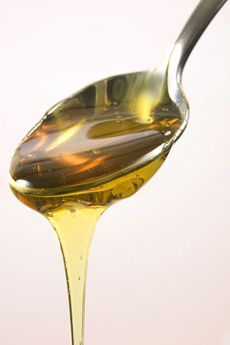
- Honey
- Maple sugar
- Maple syrup
- Molasses
- Agave nectar
Natural sweeteners have a variety of uses both at home and in processed foods. They are sometimes known as added sugars because they're added to foods during processing. They may be used to sweeten drinks such as tea and cocktails, in desserts, as pancake and waffle toppings, on cereals, and for baking, for example.
Possible health benefits of natural sweeteners
Although natural sugar substitutes may seem healthier than processed table sugar, their vitamin and mineral content isn't significantly different from that of sugar. Honey and sugar, for instance, are nutritionally similar, and both end up in your body as glucose and fructose. Choose a natural sweetener based on how it tastes and its uses, rather than on its health claims.
- Weight control. Natural sweeteners, like sugar alcohols, are considered nutritive sweeteners because they contribute calories to your diet. In fact, they contain the same amount of calories as does regular table sugar. If your goal is weight control, products sweetened with natural sweeteners may not help since they add the same amount of calories to your diet as table sugar.
- Diabetes. Natural sweeteners can raise your blood sugar, just as table sugar can. Some proponents of agave nectar, also called agave syrup, say that it's a low-glycemic sweetener and doesn't cause blood sugar spikes. However, scientific evidence doesn't support such claims about agave nectar. Agave nectar can trigger a need for insulin.
- Tooth decay. Natural sweeteners can contribute to cavities.
 Possible health concerns with natural sweeteners
So-called natural sweeteners are generally safe. But there's no health advantage to consuming added sugar of any type. And consuming too much added sugar, even natural sweeteners, can lead to health problems such as tooth decay, poor nutrition, weight gain and increased triglycerides. Also, be aware that honey can contain small amounts of bacterial spores that can produce botulism toxin. Because of that, honey shouldn't be given to babies less than 1 year old.
Moderation is key with artificial sweeteners and sugar substitutes
When choosing sugar substitutes, it pays to be a savvy consumer. Get informed and look beyond the hype. While artificial sweeteners and sugar substitutes may help with weight management, they aren't a magic bullet and should be used only in moderation. Just because a food is marketed as sugar-free doesn't mean it's free of calories. If you eat too many sugar-free foods, you can still gain weight if they have other ingredients that contain calories. And remember that processed foods, which often contain sugar substitutes, generally don't offer the same health benefits as do whole foods, such as fruits and vegetables.Source: Mayoclinic.com
Monday, February 21, 2011
Water
Water is essential to good health, yet needs vary by individual. These guidelines can help ensure you drink enough fluids.

Although no single formula fits everyone, knowing more about your body's need for fluids will help you estimate how much water to drink each day.
 Health benefits of water
Water is your body's principal chemical component and makes up about 60 percent of your body weight. Every system in your body depends on water. For example, water flushes toxins out of vital organs, carries nutrients to your cells and provides a moist environment for ear, nose and throat tissues.
Lack of water can lead to dehydration, a condition that occurs when you don't have enough water in your body to carry out normal functions. Even mild dehydration can drain your energy and make you tired.
How much water do you need?
Every day you lose water through your breath, perspiration, urine and bowel movements. For your body to function properly, you must replenish its water supply by consuming beverages and foods that contain water.So how much water does the average, healthy adult living in a temperate climate need? In general, doctors recommend 8 or 9 cups. Here are the most common ways of calculating that amount:
- Replacement approach. The average urine output for adults is about 1.5 liters (6.3 cups) a day. You lose close to an additional liter (about 4 cups) of water a day through breathing, sweating and bowel movements. Food usually accounts for 20 percent of your total fluid intake, so if you consume 2 liters of water or other beverages a day (a little more than 8 cups) along with your normal diet, you will typically replace your lost fluids.
- Eight 8-ounce glasses of water a day. Another approach to water intake is the "8 x 8 rule" — drink eight 8-ounce glasses of water a day (about 1.9 liters). The rule could also be stated, "Drink eight 8-ounce glasses of fluid a day," as all fluids count toward the daily total. Although the approach really isn't supported by scientific evidence, many people use this easy-to-remember rule as a guideline for how much water and other fluids to drink.
- Dietary recommendations. The Institute of Medicine advises that men consume roughly 3 liters (about 13 cups) of total beverages a day and women consume 2.2 liters (about 9 cups) of total beverages a day.
Factors that influence water needs
You may need to modify your total fluid intake depending on how active you are, the climate you live in, your health status, and if you're pregnant or breast-feeding.
- Exercise. If you exercise or engage in any activity that makes you sweat, you need to drink extra water to compensate for the fluid loss. An extra 400 to 600 milliliters (about 1.5 to 2.5 cups) of water should suffice for short bouts of exercise, but intense exercise lasting more than an hour (for example, running a marathon) requires more fluid intake. How much additional fluid you need depends on how much you sweat during exercise, and the duration and type of exercise. During long bouts of intense exercise, it's best to use a sports drink that contains sodium, as this will help replace sodium lost in sweat and reduce the chances of developing hyponatremia, which can be life-threatening. Also, continue to replace fluids after you're finished exercising.
- Environment. Hot or humid weather can make you sweat and requires additional intake of fluid. Heated indoor air also can cause your skin to lose moisture during wintertime. Further, altitudes greater than 8,200 feet (2,500 meters) may trigger increased urination and more rapid breathing, which use up more of your fluid reserves.
- Illnesses or health conditions. When you have fever, vomiting or diarrhea, your body loses additional fluids. In these cases, you should drink more water. In some cases, your doctor may recommend oral rehydration solutions, such as Gatorade, Powerade or CeraLyte. Also, you may need increased fluid intake if you develop certain conditions, including bladder infections or urinary tract stones. On the other hand, some conditions such as heart failure and some types of kidney, liver and adrenal diseases may impair excretion of water and even require that you limit your fluid intake.
- Pregnancy or breast-feeding. Women who are expecting or breast-feeding need additional fluids to stay hydrated. Large amounts of fluid are used especially when nursing. The Institute of Medicine recommends that pregnant women drink 2.3 liters (about 10 cups) of fluids daily and women who breast-feed consume 3.1 liters (about 13 cups) of fluids a day.
 Beyond the tap: Other sources of water
Although it's a great idea to keep water within reach at all times, you don't need to rely only on what you drink to meet your fluid needs. What you eat also provides a significant portion of your fluid needs. On average, food provides about 20 percent of total water intake. For example, many fruits and vegetables, such as watermelon and tomatoes, are 90 percent or more water by weight.
In addition, beverages such as milk and juice are composed mostly of water. Even beer, wine and caffeinated beverages — such as coffee, tea or soda — can contribute, but these should not be a major portion of your daily total fluid intake. Water is still your best bet because it's calorie-free, inexpensive and readily available.
 Staying safely hydrated
It's generally not a good idea to use thirst alone as a guide for when to drink. By the time you become thirsty, you may already be slightly dehydrated. Further, as you get older your body is less able to sense dehydration and send your brain signals of thirst. On the other hand, excessive thirst and increased urination can be signs of a more serious medical condition. Talk to your doctor if you experience either.
To ward off dehydration and make sure your body has the fluids it needs, make water your beverage of choice. Most healthy adults can follow these tips:
- Drink a glass of water with each meal and between each meal.
- Hydrate before, during and after exercise.
- Substitute sparkling water for alcoholic drinks at social gatherings.
Source: Mayoclinic.com
Sunday, February 20, 2011
Dietary fiber: Essential for a healthy diet
 Dietary fiber offers many health benefits.
Here's how to include more in your diet.
Eat more fiber. You've probably heard it before. But do you know why fiber is so good for your health?Dietary fiber — found mainly in fruits, vegetables, whole grains and legumes — is probably best known for its ability to prevent or relieve constipation. But fiber can provide other health benefits as well, such as lowering your risk of diabetes and heart disease.
Selecting tasty foods that provide fiber isn't difficult. Find out how much dietary fiber you need, the foods that contain it and how to add them to meals and snacks.
What is dietary fiber?
Dietary fiber, also known as roughage or bulk, includes all parts of plant foods that your body can't digest or absorb. Unlike other food components such as fats, proteins or carbohydrates — which your body breaks down and absorbs — fiber isn't digested by your body. Therefore, it passes relatively intact through your stomach, small intestine, colon and out of your body. It might seem like fiber doesn't do much, but it has several important roles in maintaining health.Fiber is commonly classified into two categories: those that don't dissolve in water (insoluble fiber) and those that do (soluble fiber).
- Insoluble fiber. This type of fiber promotes the movement of material through your digestive system and increases stool bulk, so it can be of benefit to those who struggle with constipation or irregular stools. Whole-wheat flour, wheat bran, nuts and many vegetables are good sources of insoluble fiber.
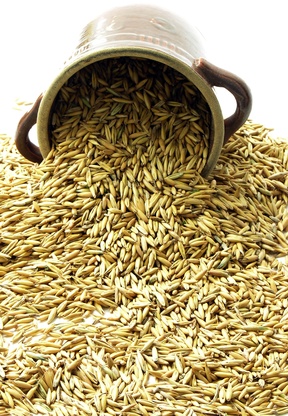
- Soluble fiber. This type of fiber dissolves in water to form a gel-like material. It can help lower blood cholesterol and glucose levels. Soluble fiber is found in oats, peas, beans, apples, citrus fruits, carrots, barley and psyllium.

Benefits of a high-fiber diet
A high-fiber diet has many benefits, which include:- Normalizes bowel movements. Dietary fiber increases the weight and size of your stool and softens it. A bulky stool is easier to pass, decreasing your chance of constipation. If you have loose, watery stools, fiber may also help to solidify the stool because it absorbs water and adds bulk to stool. For some, fiber may provide relief from irritable bowel syndrome.
- Helps maintain bowel integrity and health. A high-fiber diet may lower your risk of developing hemorrhoids, and small pouches in your colon (diverticular disease). Some fiber is fermented in the colon. Researchers are looking at how this may play a role in preventing diseases of the colon.
- Lowers blood cholesterol levels. Soluble fiber found in beans, oats, flaxseed and oat bran may help lower total blood cholesterol levels by lowering low-density lipoprotein, or "bad," cholesterol levels. Epidemiologic studies have shown that increased fiber in the diet can reduce blood pressure and inflammation, which is also protective to heart health.
- Helps control blood sugar levels. Fiber, particularly soluble fiber, can slow the absorption of sugar, which for people with diabetes can help improve blood sugar levels. A diet that includes insoluble fiber has been associated with a reduced risk of developing type 2 diabetes.
- Aids in weight loss. High-fiber foods generally require more chewing time, which gives your body time to register when you're no longer hungry, so you're less likely to overeat. Also, a high-fiber diet tends to make a meal feel larger and linger longer, so you stay full for a greater amount of time. And high-fiber diets also tend to be less "energy dense," which means they have fewer calories for the same volume of food.
- Uncertain effect on colorectal cancer. Evidence that dietary fiber reduces colorectal cancer is mixed — some studies show benefit, some show nothing and some suggest increased risk. If you're concerned about preventing colorectal cancer, adopt or stick with a colon cancer screening regimen. Regular testing for and removal of colon polyps can prevent colon cancer.
How much fiber do you need?
How much fiber do you need each day? The National Academy of Sciences' Institute of Medicine, which provides science-based advice on matters of medicine and health, gives the following daily recommendations for adults:| Age 50 and younger | Age 51 and older | |
|---|---|---|
| Men | 38 grams | 30 grams |
| Women | 25 grams | 21 grams |
Your best fiber choices
If you aren't getting enough fiber each day, you may need to boost your intake. Good choices include:- Grains and whole-grain products
- Fruits
- Vegetables
- Beans, peas and other legumes
- Nuts and seeds
Whole foods rather than fiber supplements are generally better. Fiber supplements — such as Metamucil, Citrucel and FiberCon — don't provide the vitamins, minerals and other beneficial nutrients that high-fiber foods do. However, some people may still need a fiber supplement if dietary changes aren't sufficient, or if they have certain medical conditions such as constipation, diarrhea or irritable bowel syndrome. Always check with your doctor if you feel you need to take fiber supplements.
Tips for fitting in fiber
Need ideas for high-fiber meals and snacks? Try these suggestions:
Switch to whole grains. Look for breads that list whole wheat, whole-wheat flour or another whole grain as the first ingredient on the label. Look for a brand with at least 2 grams of dietary fiber a serving. Experiment with brown rice, wild rice, barley, whole-wheat pasta and bulgur.
 Bulk up your baked goods. Substitute whole-grain flour for half or all of the white flour when baking. Whole-grain flour is heavier than white flour. In yeast breads, use a bit more yeast or let the dough rise longer. When using baking powder, increase it by 1 teaspoon for every 3 cups of whole-grain flour. Try adding crushed bran cereal or unprocessed wheat bran to muffins, cakes and cookies.
 Mix it up. Add pre-cut fresh or frozen vegetables to soups and sauces. For example, mix chopped frozen broccoli into prepared spaghetti sauce or toss fresh baby carrots into stews.
Get a leg up with legumes. Eat more beans, peas and lentils. Add kidney beans to canned soup or a green salad. Or make nachos with refried black beans, lots of fresh veggies, whole-wheat tortilla chips and salsa.
 Eat fruit at every meal. Apples, bananas, oranges, pears and berries are good sources of fiber.
 Make snacks count. Fresh and dried fruit, raw vegetables, and low-fat popcorn and whole-grain crackers are all good choices. An occasional handful of nuts is also a healthy, high-fiber snack.
High-fiber foods are good for your health. But adding too much fiber too quickly can promote intestinal gas, abdominal bloating and cramping. Increase fiber in your diet gradually over a period of a few weeks. This allows the natural bacteria in your digestive system to adjust to the change. Also, drink plenty of water. Fiber works best when it absorbs water, making your stool soft and bulky.
Source: Mayoclinic.com
Arbonne Daily Fiber Boost

Adding an excellent source of fiber to your diet is now easier than ever with this unflavored blend of soluble fiber from fruits and grains. Essentials Fiber Booster can be mixed with hot or cold food and liquids. Each serving includes 12 grams of fiber -half of your recommended daily amount - from inulin, pea fiber, citrus pectin, apple pectin, orange fiber and beet fiber. Plus, it helps you feel fuller longer, is low in calories, sugar and fat, and contains no saturated or trans fats, cholesterol, artificial sweeteners, flavors or colors.
Saturday, February 19, 2011
Piña Colada Arbonne Protein Shake

- 2 scoops of Arbonne protein powder
- 1 scoop of Arbonne fiber (optional)
- 1 ½ cup water with ice
- ½ banana
- ½ cup frozen pineapple chunks
- 1-2 tbsp shredded coconut
The main ingredients in a piña colada smoothie recipe — Pineapples, Bananas and Coconuts — have plenty of nutritional benefits. The piña colada has been around for long enough to be considered a classic. This tropical recipe has a very enjoyable taste that makes for great healthy fruit smoothies as well.
Pineapples have exceptional juiciness and a vibrant tropical flavor that balances sweet and tart flavors. They are second only to bananas as America's favorite tropical fruit. Pineapples are an excellent source of manganese and vitamin C.
Bananas are one of the best food sources of potassium — the average banana contains 467 mg. They're also excellent source of vitamin B6, vitamin C and fiber.
Coconuts are nutritional gold mines. You can use coconut in any of its forms as ingredients in your smoothies. There's coconut water from young green coconuts, coconut milk, meat or coconut oil. Don't be concerned about coconut's high fat content — these are healthy fats, full of rare medium-chain fatty acids that are very beneficial. Coconut meat is also very high in fiber.
Friday, February 18, 2011
Aerobic exercise: How to warm up and cool down
Easing into & out of your aerobic workout may be as important as the exercise itself.
Here's how to warm up & cool down safely.

You're ready to get fit. You can't wait to feel better and have more energy to do all the things you enjoy. But jumping into an aerobic workout without preparing your body could lead to setbacks, such as muscle strain or injury. To help your body adapt to the demands of aerobic activity, take time to warm up before you exercise and cool down afterward.
How to warm up
 Warming up prepares your body for aerobic activity. It gradually revs up your cardiovascular system, increases blood flow to your muscles and raises your body temperature.
Choose a warm-up activity that uses the same muscles you'll use during your workout. For example, if you're going to take a brisk 30-minute walk, walk slowly for five to 10 minutes to warm up.
If you have a tight or previously injured muscle, stretch the affected muscle after you warm up. Hold each stretch for about 30 seconds. And remember to keep it gentle. Don't bounce. Sudden or aggressive movements may cause injury.
How to cool down
 Immediately after your workout, take time to cool down. This gradually reduces the temperature of your muscles and may help reduce muscle injury, stiffness and soreness.
Cooling down is similar to warming up. After your workout, walk or continue your activity at a low intensity for five to 10 minutes. For example, after a 30-minute session of brisk walking, cool down by slowing your walking pace for five to 10 minutes.
Remember to stretch
After you cool down, your muscles will be warm and receptive to stretching. Regular stretching increases your flexibility, improves circulation and helps maximize the range of motion of your joints.
Focus on your calves, thighs, hips, lower back, neck and shoulders — or other muscles and joints that you routinely use at work or play. Hold each stretch for about 30 seconds, and then repeat the stretch on the other side. Expect to feel tension while you're stretching. If it hurts, back off to the point where you don't feel any pain. Relax and breathe freely throughout each stretch.
Be kind to your body
Finding time for regular aerobic workouts can be challenging. If you're tempted to skip warming up and cooling down, get creative. If you walk to a fitness facility, use the trip there and back to warm up and cool down. Remember, the time you spend preparing for exercise and cooling down afterward may be as important as the exercise itself. Give your body the time it needs to adjust to the demands of your workout.Source: Mayoclinic.com
Subscribe to:
Posts (Atom)